
 Dehumidifiers
 Air Conditioners
 Vacuum Sealers
If your home feels sticky, damp, or uncomfortable even with the air conditioner running, high indoor humidity may be the reason.
Excess moisture in the air can make rooms feel warmer than they actually are, create musty odors, encourage mold growth, and even worsen allergy symptoms. In many parts of the United States—especially humid regions like Florida, Texas, Louisiana, and the Southeast—indoor humidity can become a year-round challenge.
The good news is that controlling humidity is often easier than homeowners realize. A dehumidifier can help remove excess moisture, improve comfort, and create a healthier indoor environment.
Why Does Your Home Feel Humid?
Humidity refers to the amount of moisture in the air. When indoor humidity becomes too high, your body has a harder time cooling itself through evaporation, making rooms feel warmer and more uncomfortable.
Several factors can contribute to high indoor humidity:
- Humid outdoor weather
- Poor ventilation
- Daily activities such as cooking and showering
- Drying clothes indoors
- Leaky pipes or water intrusion
- Damp basements or crawl spaces
Even homes with central air conditioning can experience humidity problems, especially during periods of extreme heat and moisture.
Signs Your Indoor Humidity Is Too High
Not sure whether humidity is the issue? Here are some common warning signs:
1. Your Home Feels Sticky or Clammy
If the air feels heavy or uncomfortable even when the temperature is reasonable, excess moisture may be trapping heat indoors.
2. You Notice a Musty Smell
Persistent musty odors often indicate moisture buildup, especially in basements, bathrooms, closets, or laundry rooms.
3. Condensation Appears on Windows
Water droplets forming on windows can be a sign that indoor humidity levels are higher than they should be.
4. Mold or Mildew Starts to Appear
Mold commonly develops in damp areas such as bathrooms, basements, and around windows where moisture accumulates.
5. Allergy Symptoms Feel Worse Indoors
High humidity creates an environment where dust mites, mold spores, and other allergens can thrive.
What Is the Ideal Indoor Humidity Level?
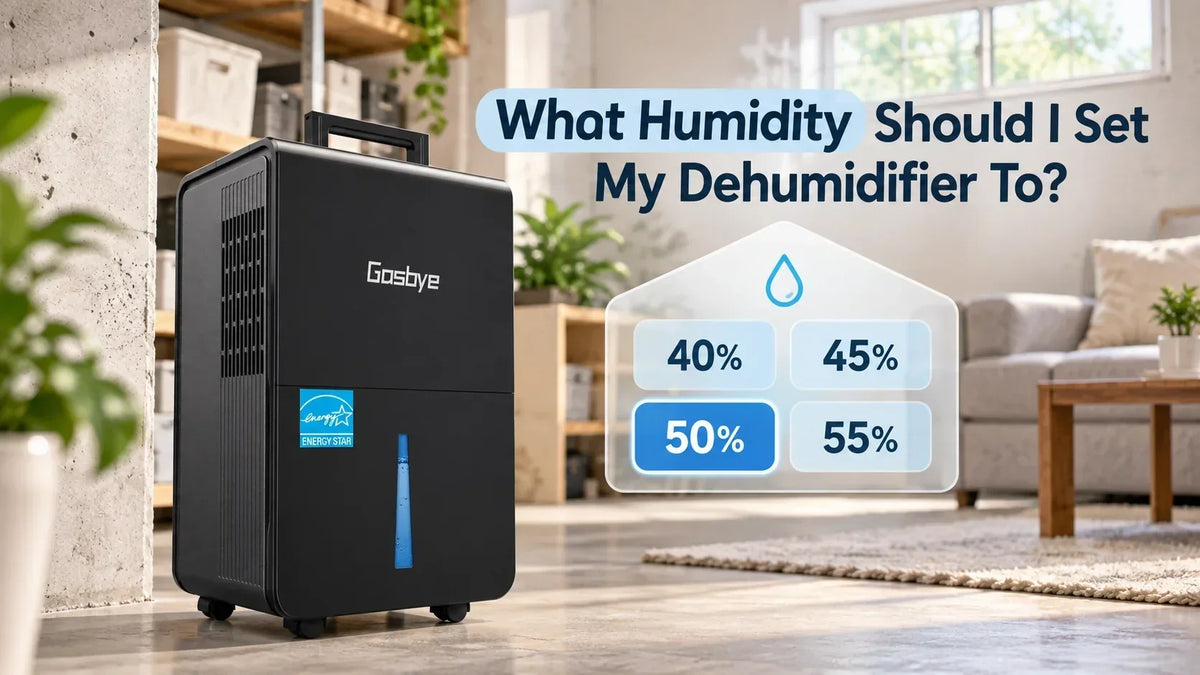
For most homes, experts generally recommend maintaining indoor humidity between 30% and 50%.
When humidity rises above 60%, the risk of mold growth, dust mites, and moisture-related problems increases significantly.
Maintaining a balanced humidity level helps improve comfort while protecting both your health and your home.
Why Your Air Conditioner May Not Be Enough
Many homeowners assume that air conditioning automatically solves humidity problems.
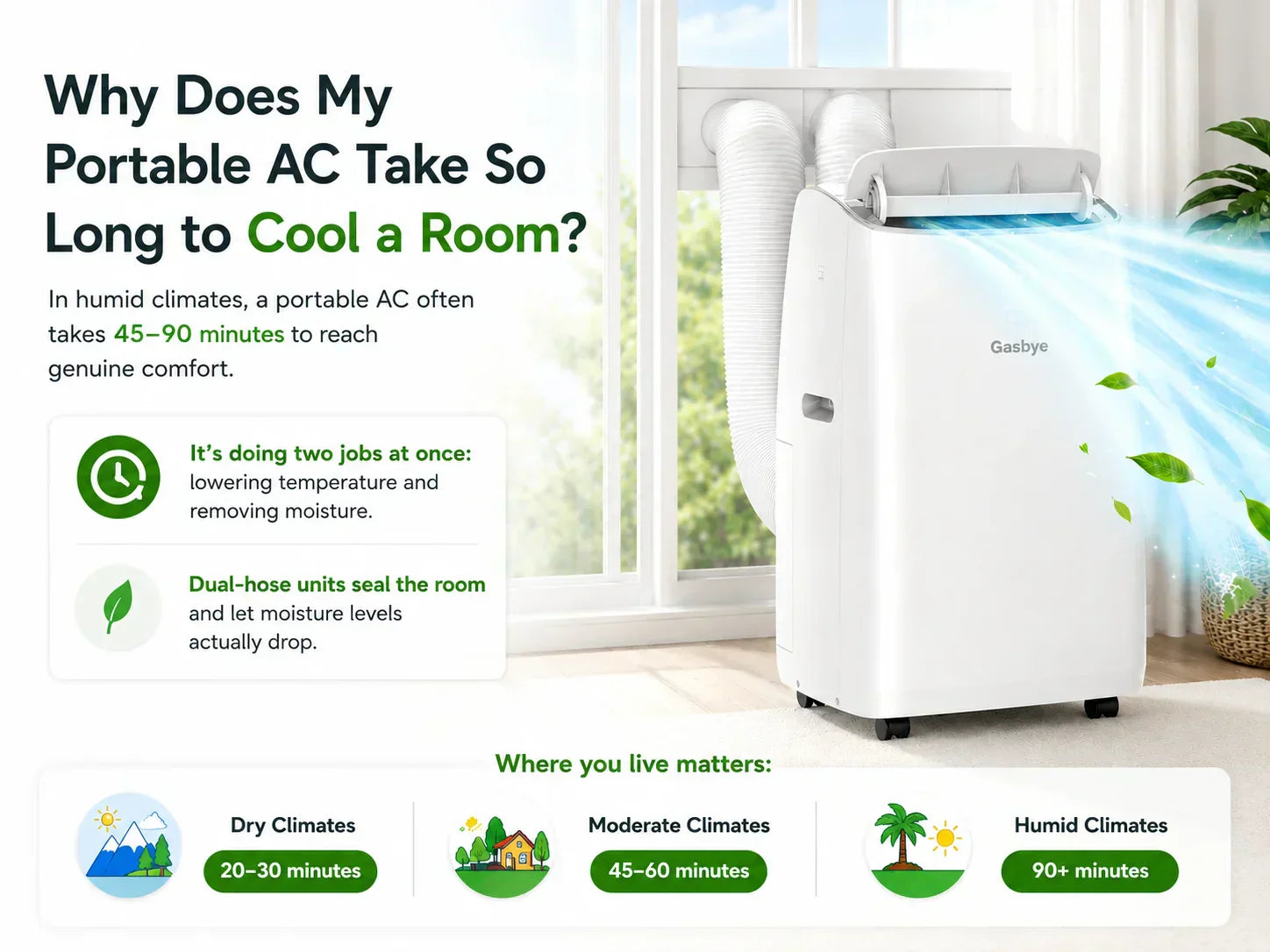
While air conditioners do remove some moisture during the cooling process, their primary purpose is to lower temperature—not control humidity.
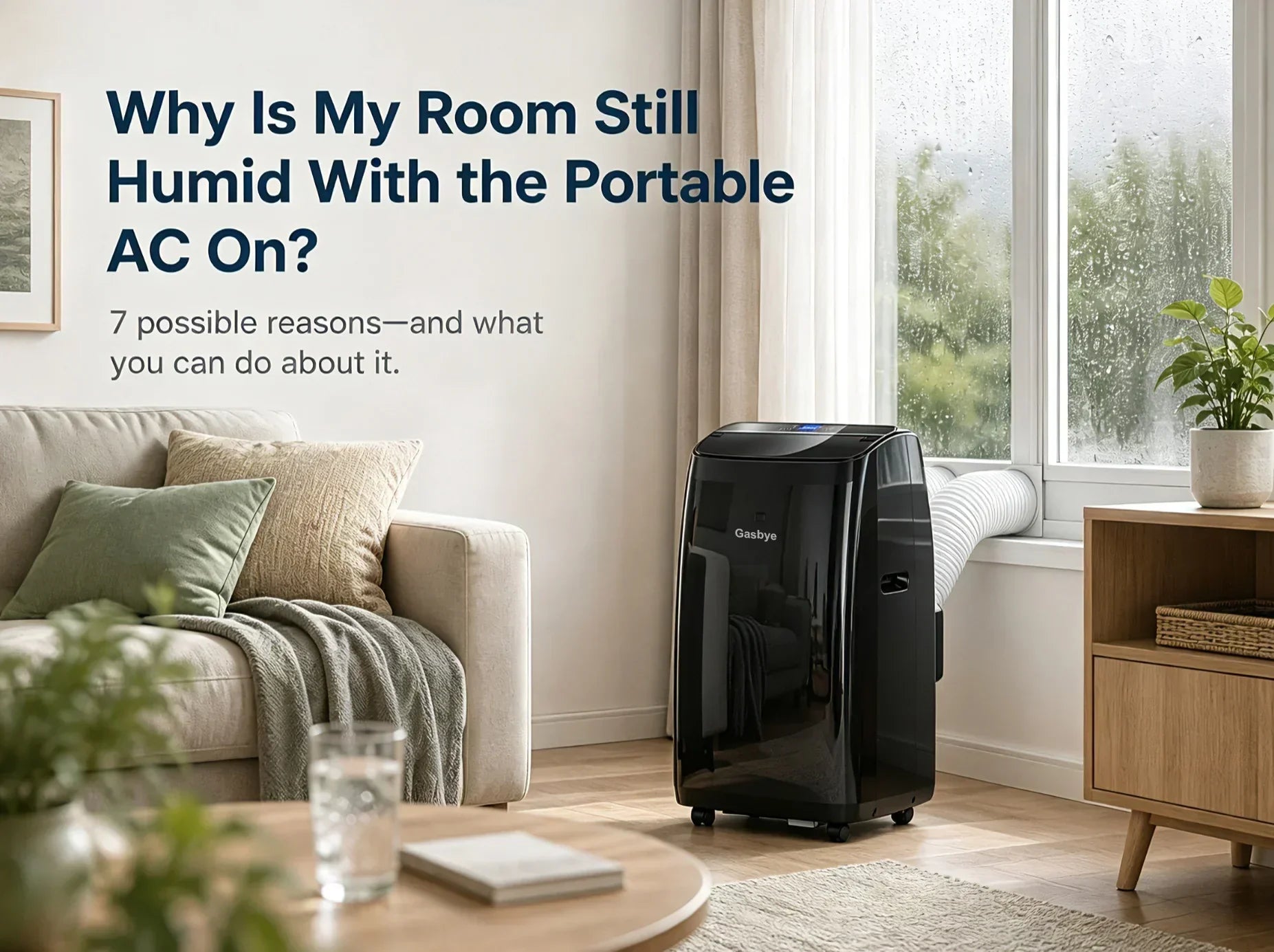
In very humid climates, your AC may cool the room without removing enough moisture. As a result, the house can still feel damp or sticky even when the thermostat shows a comfortable temperature.
A dehumidifier is designed specifically to remove excess moisture from the air, helping create a more comfortable indoor environment.
How a Dehumidifier Helps
A dehumidifier works by pulling moisture from the air and collecting or draining the water.
The benefits can include:
- Improved indoor comfort
- Reduced musty odors
- Lower risk of mold and mildew growth
- Better protection for furniture, flooring, and electronics
- Reduced moisture-related damage
- Improved air quality
- Less strain on your cooling system
Many homeowners find that a properly sized dehumidifier makes rooms feel cooler and more comfortable, even without lowering the thermostat.
Best Places to Use a Dehumidifier
Certain areas of the home are more prone to excess moisture than others.
Basement
Basements are naturally cooler and often have limited airflow, making them one of the most common locations for humidity problems.
Bathroom
Daily showers generate large amounts of moisture that can linger long after use.
Laundry Room
Washing machines and drying clothes release water vapor into the air.
Bedroom
Reducing humidity can create a more comfortable sleeping environment and help eliminate that sticky feeling at night.
Garage or Crawl Space
These areas often experience poor ventilation and seasonal moisture buildup.
Frequently Asked Questions
1. Does a dehumidifier help with mold?
A dehumidifier can help reduce the moisture that mold needs to grow. While it will not remove existing mold, it can help prevent future growth when used properly.
2. Can a dehumidifier make a room feel cooler?
Yes. Lower humidity allows sweat to evaporate more efficiently, making rooms feel cooler and more comfortable.
3. Should I run a dehumidifier every day?
In humid climates or damp spaces, many homeowners run a dehumidifier daily to maintain a healthy humidity level.
4. Do I need a dehumidifier if I already have air conditioning?
Possibly. Air conditioners and dehumidifiers serve different purposes. If your home still feels damp or sticky despite using AC, a dehumidifier may help.
Final Thoughts
If your home feels humid, sticky, or musty, excess indoor moisture may be affecting your comfort more than you realize. Maintaining healthy humidity levels can help reduce mold risk, improve air quality, and make your home feel more comfortable year-round.
Whether you're dealing with damp air in a basement, excess moisture in a laundry room, or uncomfortable humidity in a bedroom, choosing a dehumidifier with the right capacity and drainage options can help maintain healthier indoor humidity levels year-round. Gasbye dehumidifiers are designed to provide efficient moisture removal, convenient drainage solutions, and reliable performance for everyday home use.
Share:
How to Choose the Right Dehumidifier for Your Home: A Simple Buying Guide